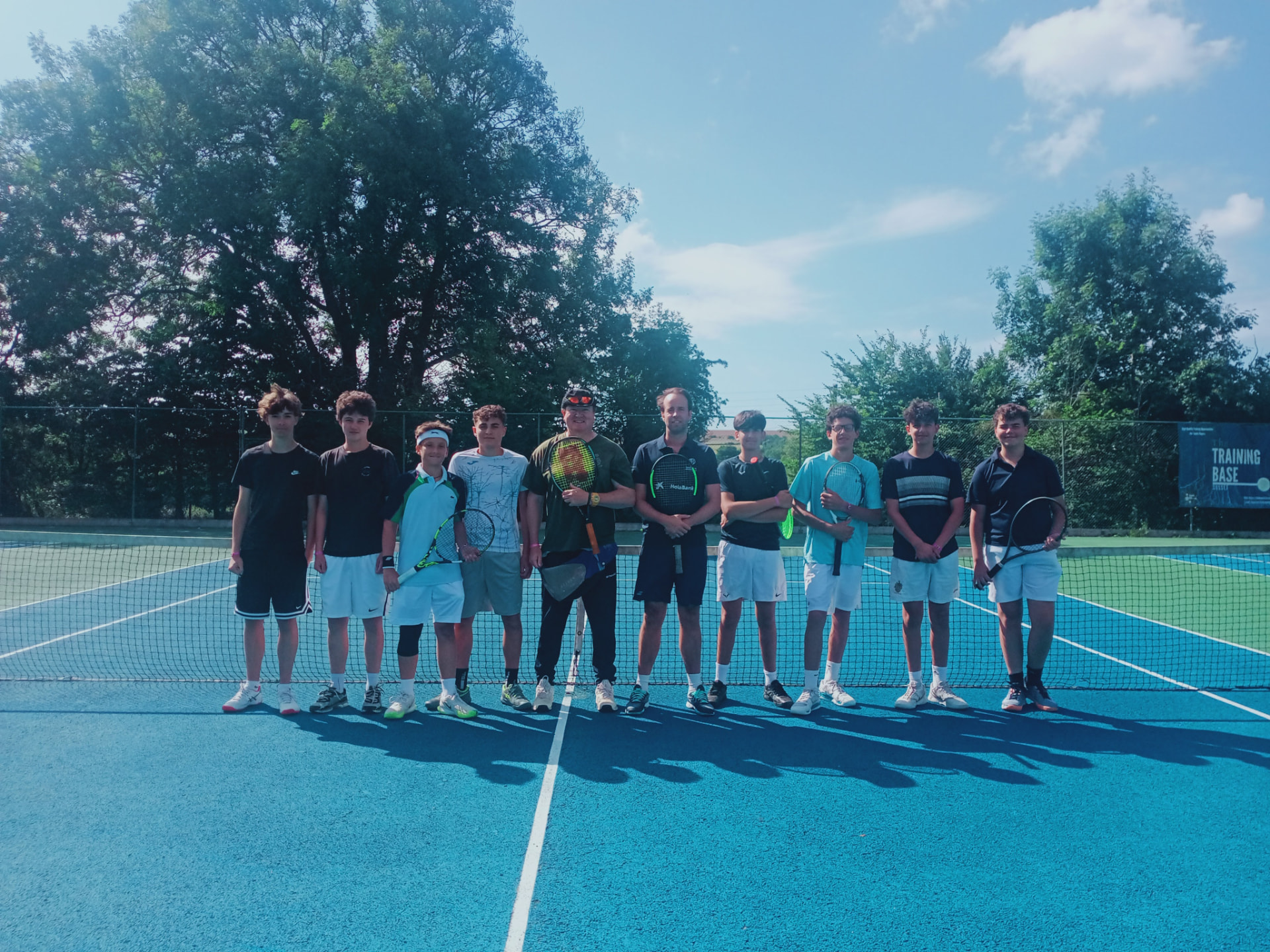
Topball is a Tennis school and an ESL/ESP English school. Sport is the classroom.
We are a British-run ESL/ESP English school where tennis, football and rugby are the training ground. Train up to 5 hours of sport a day, then add IELTS / TOEFL English tuition as a performance skill. Join our year-round Cebu campus, satellite camps at Oxford, Sussex and Gibraltar, or a focused 3–5 day online sports school.
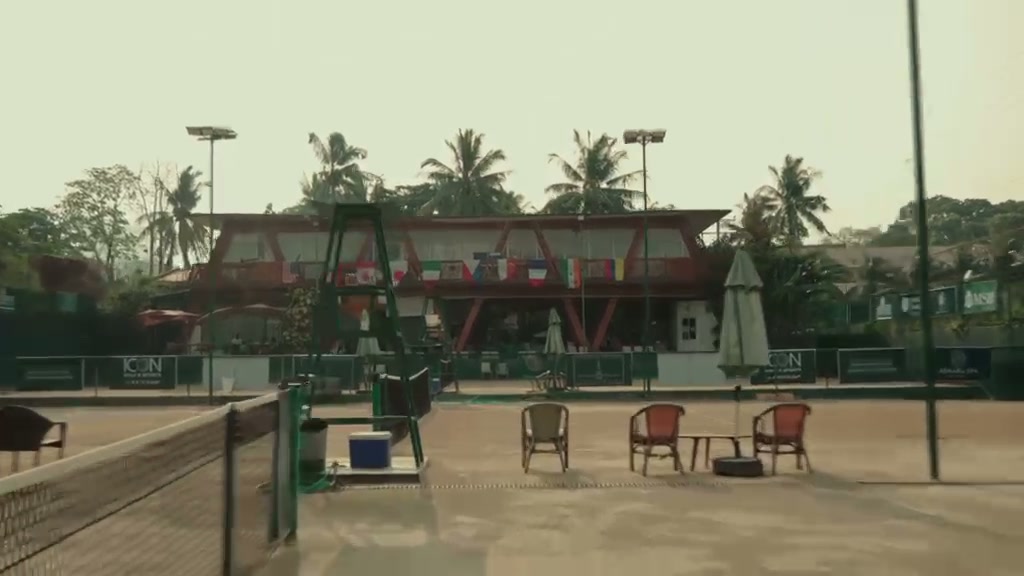
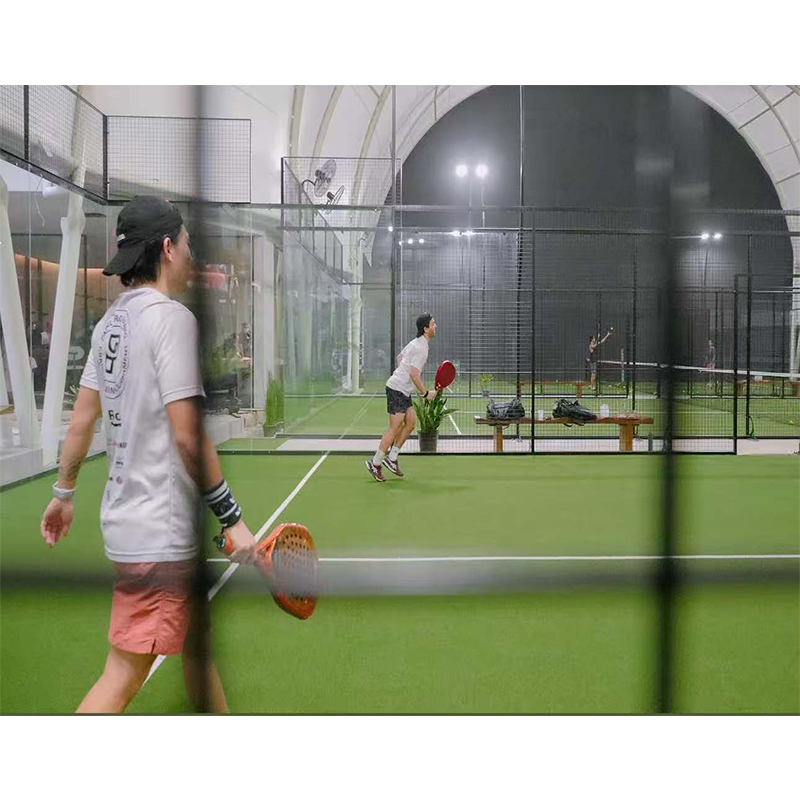
Inside the main campus at Asmara Resort, Cebu City
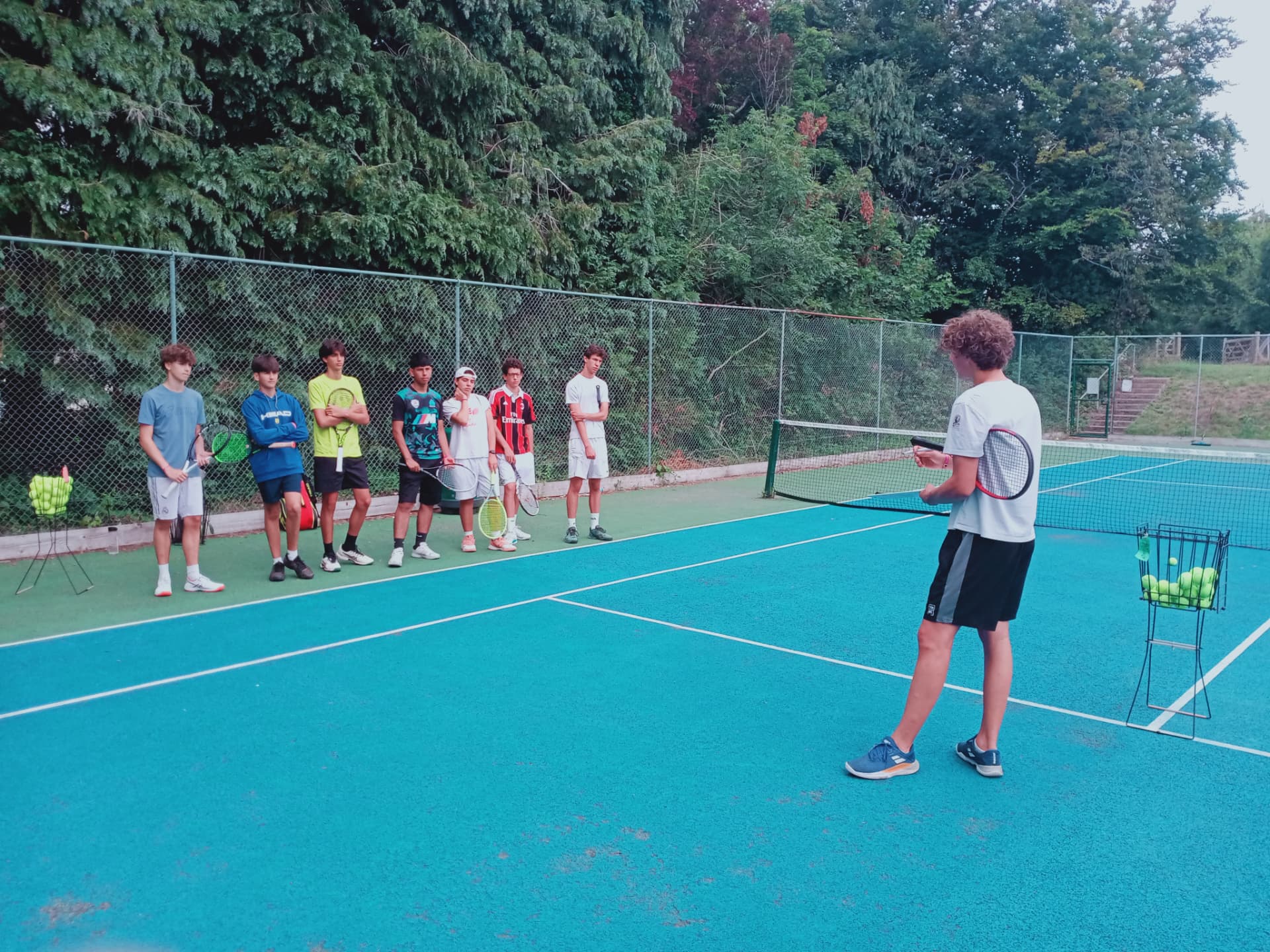
A walk through the Topball ESL/ESP English school during the ITF MT200 tournament at Asmara Resort — courts, classrooms, accommodation and the daily rhythm our students live in, 365 days a year.
Main campus
Asmara Resort, Cebu City — courts, classroom, accommodation and dining inside one walled estate.
ITF MT200
Filmed during the ITF MT200 tournament hosted at Asmara — competitive tennis on the same courts our students train on.
365 days
ESL/ESP English and tennis run year-round, with IELTS and TOEFL preparation built into the A1–C1 courseware.
Private one-to-one coaching with James Corden-Lloyd is available directly in Cebu and, when travelling, in Jakarta. For Manila, Oxford, Sussex and Gibraltar he uses his vetted coach network — Manila is recommendations-only due to a private family agreement, and his own attention in Oxford, Sussex and Gibraltar is reserved for camps. Technique, tactics, movement or match mindset, separate from the camp schedule.
✓Direct in Cebu & Jakarta (travel) · network elsewhere
✓Manila: recommendations only — private family agreement
✓Flexible frequency: one-off, weekly or intensive block
English through sport · $19 USD · instant download
Learn English by playing sport. Start at home for $19.
The Topball manuals are not coaching playbooks — they are CEFR-mapped English programmes delivered through tennis, football and rugby. Every drill, scenario and discussion question trains real-world English: instructions, tactics, match talk, interviews and travel language. The A2–B2 band is structured around the speaking and writing task types used in IELTS and TOEFL, so students build exam confidence as they play. Read a free sample, buy the full manual, then continue the same programme at a camp or on campus.
▪ English is the subject; sport is the classroom.
▪ Free sample chapters — no email required.
▪ Full manual released instantly; the same dual programme continues on camp.
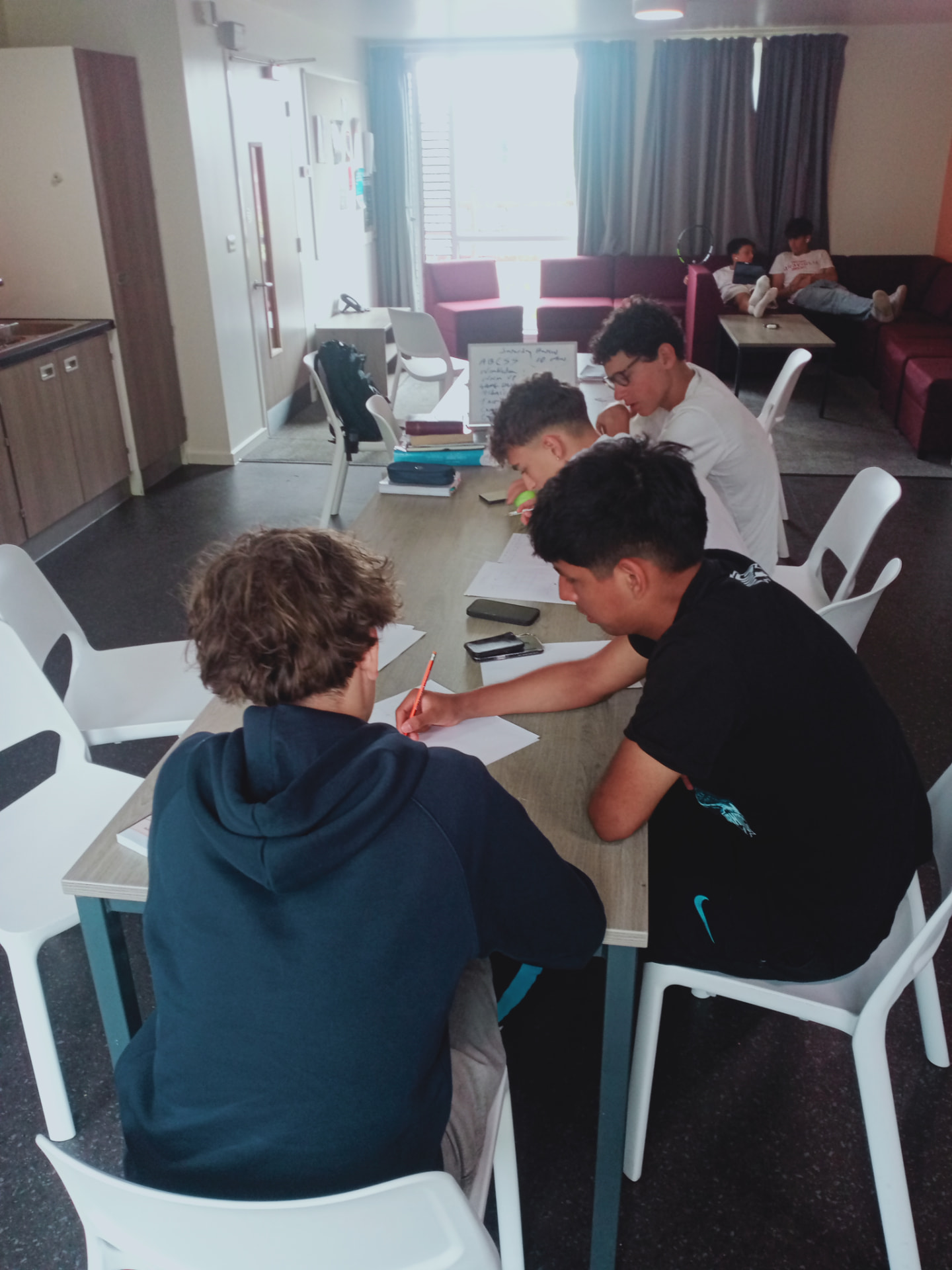
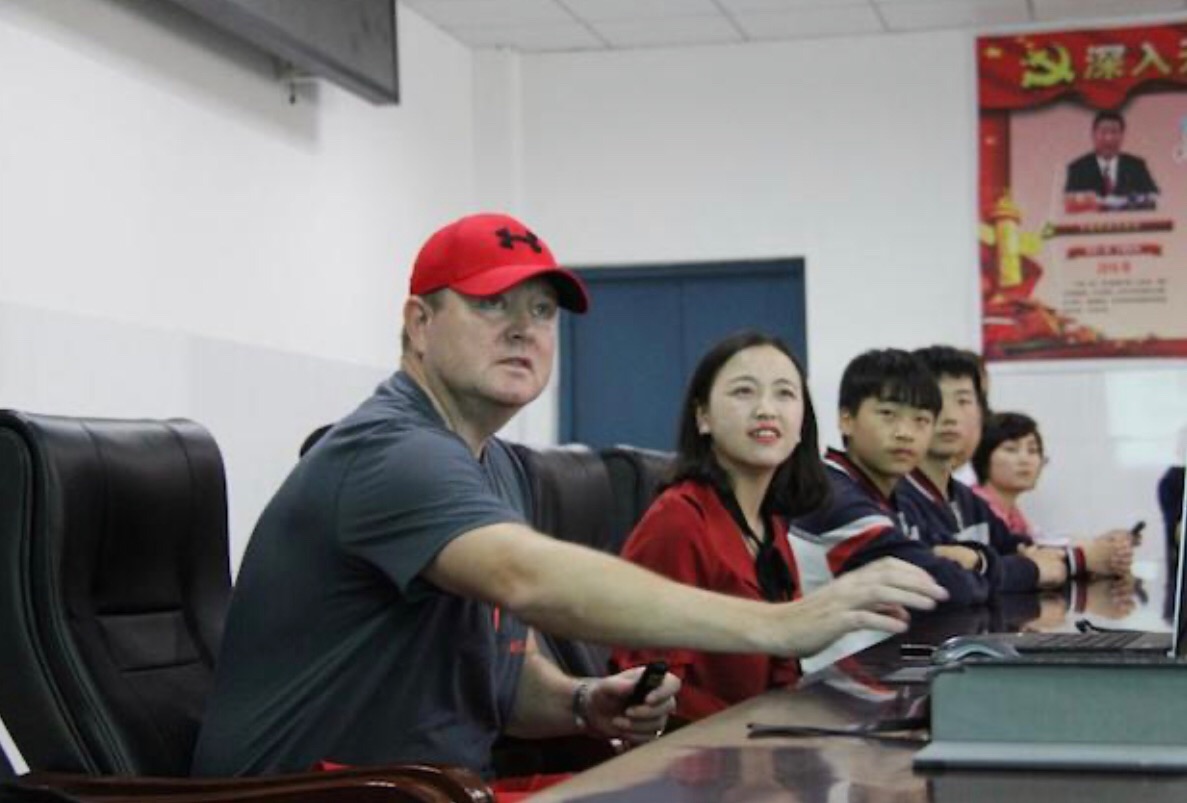
After a day of tennis training, tennis they chose Option B English before dinner at the University Canteen, followed at 8pm evening activity of football.Our physical school at Asmara Resort, Cebu City — old-fashioned solid wooden desks, in the formal tradition of Eton and Harrow. Real classroom photographs to follow.
Most ESL schools teach English as a classroom subject; we teach it as a trained performance skill. Our students don’t only study vocabulary and grammar — they use them in structured sport-based tasks that require quick thinking, clear pronunciation and real interaction. Tennis drills and sport scenarios create a consistent loop of instruction → repetition → feedback → application, mirroring how athletes improve. This makes learning more memorable and more transferable to daily communication, because students practise English under real-time conditions: listening while moving, speaking under pressure, negotiating rules, giving instructions, responding to cues and collaborating with partners.
We also build language through the natural “coaching framework” of sports: imperatives (“Keep your racket up”), sequencing language (“First… then… next”), conditionals (“If the ball is short, step in”), and functional communication (asking for clarification, encouraging a partner, correcting politely). Pronunciation improves because students repeat high-frequency phrases in rhythm with movement, and confidence grows because speaking becomes part of a game — focused, purposeful and social.
In short, we are an ESL school with a distinct instructional identity: English mastery through tennis and sport-based learning. Students leave with stronger language accuracy, faster listening response, better speaking fluency and the mindset of an athlete: practice, feedback, progress.
Instruction → repetition → feedback → application
Speaking under real-time pressure
Pronunciation drilled in rhythm with movement
Athlete mindset: practice, feedback, progress
Formal curriculum · CEFR aligned · IELTS ready
A1–C1: scope and sequence
Every level has a defined scope: grammar points, communicative functions, vocabulary themes, pronunciation targets and assessment criteria — and every unit is connected to a sports context, so language is learned, rehearsed and tested the way athletes train. B2 and C1 units are built around IELTS-style speaking Part 3 and academic writing tasks because IELTS and TOEFL scores are central to parent and student purchasing decisions.
Step 1
Classroom
Target grammar and functions taught explicitly, with model language and drills.
Step 2
On-court
The same language used in live sport tasks — instruction, cues, correction, collaboration.
Step 3
Pressure
Timed speaking under match conditions: negotiate, persuade, respond to the unexpected.
Step 4
Assessment
CEFR-aligned rubric scored on accuracy, range, fluency, pronunciation and interaction.
A1Foundation
Grammar
Present simple, there is/are, imperatives, basic prepositions, plurals
Functions
Greetings, simple requests, asking for equipment, following instructions
Vocabulary themes
Court and kit, body parts, numbers and scoring, days and routines
Placement is by intro assessment; progression requires a pass on both the written task and the on-court speaking task. Reports are issued at the end of every level.
The Topball Circuit
One English school, played on a circuit — a campus-and-satellite model
Our ESL/ESP English School is built around a distinctive, continually evolving structure that combines the strengths of a dedicated residential campus with the flexibility and international reach of a global satellite network.
Home base
Main campus · Asmara Resort, Cebu City
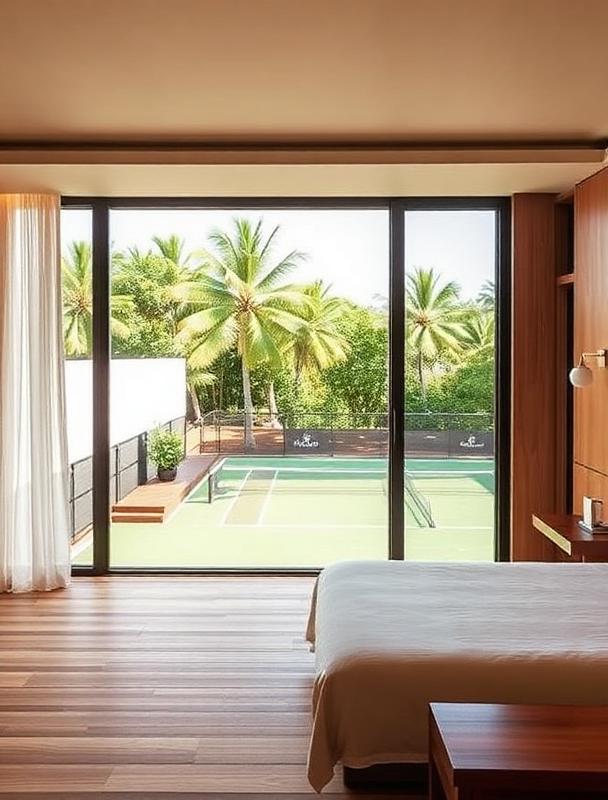
The heart of the school: an integrated environment built for focused study and training. On-site accommodation for a stable, immersive daily routine, tennis courts on campus for consistent practice and structured coaching, and one schedule that coordinates English study with tennis development. Live, study and train in one place.
On-site accommodation
Courts on campus
One coordinated daily schedule
Satellite season
International summer · Oxford & Sussex
Beyond Cebu we operate as a satellite school. Each summer we run programmes and study/training options connected with internationally recognised institutions — Oxford University and the University of Sussex — giving students a different academic and cultural environment while staying on the same English-learning pathway.
Oxford University summer camp
University of Sussex campus programme
Short-term international study, one school philosophy
Expanding network
Additional locations, global outlook
We continue to develop further locations for training and studying worldwide. This is not a static list of destinations — it is a carefully managed, expanding network shaped by partnerships, seasonal availability and student needs.
Partnership-led growth
Seasonal availability
Shaped around student needs
Formalised over time
Standards that travel between sites
The model is being formalised continually — refined through experience, aligned to CEFR, strengthened by new collaborations and updated so standards stay consistent across locations.
Clear programme structure across campus and satellite sites
Reliable student support and coordination between locations
Quality and continuity in both sport training and English instruction
Why this is unique
Most schools offer either a single campus experience or a set of disconnected short-term programmes. Our approach deliberately combines both: a stable residential base in Cebu City and an international satellite pathway that can include prestigious summer environments such as Oxford and Sussex, alongside other developing global options. Integrated, adaptable and continuously evolving — for students who want structure and international opportunity.
Accreditation and standards
Held to a public standard, not our own opinion
Our teaching method is unusual — English trained like an athlete — so the measurement of it must be conventional and transparent. Everything a student earns here is described in language other schools, universities and employers already recognise. EAQUALS membership will convert that uniqueness into a quality-backed value proposition: a common, internationally understood standard for governance, teaching standards, learner protection, course design and assessment.
1In place now
CEFR alignment, documented
Our A1–C1 scope and sequence is mapped to the Council of Europe Companion Volume descriptors. Placement tests, rubrics and end-of-level reports are kept on file for every student.
2In progress
Philippine registration
The school operates from Asmara Resort, Cebu City, with local business registration and the relevant training-provider compliance base for our programme type.
3Underway
Approved exam-preparation centre
Working towards recognised test pathways (Linguaskill, LanguageCert, Trinity ISE) so students leave with an independently CEFR-mapped certificate alongside our own level report.
4Next
EAQUALS membership — joining process starts November 2026
Following a productive meeting with EAQUALS, Topball will begin the formal membership process in November 2026. EAQUALS provides a shared language for quality — governance, teaching standards, learner protection, course design and assessment — that reassures parents, agents, universities and corporate partners that our programme is a rigorous, measurable language education product, not just 'fun sport + English'.
Inspection dossier
Quality assurance cycle
Placement: written and spoken diagnostic on arrival, mapped to a CEFR level with the evidence retained.
Delivery: A1–C1 scope and sequence with stated lesson objectives and CEFR descriptors per unit.
Assessment: level rubrics for speaking, writing, listening and reading, marked against published criteria.
Reporting: end-of-level report per student, held on file alongside the marked work it is based on.
Moderation: sample scripts and recordings second-marked before a level is signed off.
Retention: student records, marked scripts and reports kept for the duration of study and for two years after.
Teaching staff and CPD
Accredited TEFL certification, plus English for Academic Purposes (EAP) specialism — certificates available for inspection.
PTR Performance Instructor certification for the tennis side of the integrated programme.
Documented observation cycle: lesson observation with written feedback and an agreed development action per teacher, per term.
CPD log kept per teacher, covering assessment literacy, CEFR descriptor use and classroom methodology.
Safeguarding and student welfare
Named safeguarding lead for every programme, including the Oxford and University of Sussex summer camps.
Under-18 provision runs on a separate welfare framework: consent forms, emergency contacts, medical and dietary records, and supervision ratios recorded per group.
Written policies on safeguarding, behaviour, incident reporting and complaints, issued to parents and agents before arrival.
Residential students at Asmara Resort, Cebu City have a documented duty-of-care and on-site contact chain.
Evidence available on request
Assessors, accreditation bodies, exam boards, universities and agent partners are welcome to request our curriculum documents, assessment rubrics, sample marked work, teacher certificates, observation records and safeguarding policies. Site visits to the Cebu City campus can be arranged.
CEFR is an open framework published by the Council of Europe; we state alignment to it and hold the evidence to support that claim. Exam-centre approval and school accreditation are separate third-party processes and are described above only at their current stage.
Governance & social purpose
Topball is a registered CIC — a social enterprise with a five-year track record
A Community Interest Company is a UK social enterprise structure that combines commercial trading with legal protection of community benefit. It is the framework behind our tennis and ESL/ESP English school, our camps and Street Paws Network — and it gives accreditation and governing body assessors a documented governance trail to review.
Legal structure
A registered UK Community Interest Company
Topball is incorporated as a Community Interest Company (CIC) — a UK limited company created specifically for social enterprise. It trades commercially, but its purpose is written into its constitution: activity must benefit the community, not primarily maximise private profit.
Incorporated at Companies House as a CIC
Approved by the CIC Regulator against the community interest test
Trades like a business, governed for public benefit
Asset lock
Surpluses are locked to the mission
A CIC carries a statutory asset lock. Assets and profits must be reinvested into the community purpose or transferred to another asset-locked body. This is not a policy that can be quietly changed — it is a legal restriction that survives changes of management.
Statutory asset lock on assets and surpluses
Reinvestment into coaching, teaching and outreach
Capped or restricted distribution to private interests
Governance
Accountability suitable for assessors
Because a CIC is regulated, governance is documented rather than described. We hold constitutional documents, annual accounts and an annual community interest report, alongside the school's own quality assurance, CPD and safeguarding records.
Annual CIC report on delivered community benefit
Filed accounts and confirmation statements
Safeguarding, CPD and quality assurance documentation
Track record
Five years of continuous operation
Topball CIC has a five-year track record of trading and community delivery. For accreditation bodies and sport governing bodies, that history matters: it evidences continuity, financial reporting discipline and a stable entity behind the programmes.
Five years of filings and continuous delivery
Stable legal entity behind every programme
Evidence of continuity for accreditation review
Assessors and partners may request our constitutional documents, filed accounts and the annual community interest report alongside curriculum and observation records. Contact the Director of Studies & Director of Tennis to arrange a review copy.
Asmara Resort in Cebu City is our permanent campus: classrooms, courts and boutique accommodation on one site. PTR certified coaches and qualified English teachers work with each student daily — English in the morning classroom, tennis, football or rugby on court and pitch, video feedback in the afternoon. Students enrol for a week, a term or longer, at any point in the year.
02. Satellite Learning Camps
Extraordinary Locations, Same Curriculum
Our satellite camps take the same CEFR A1–C1 curriculum to Oxford University, the University of Sussex and Gibraltar, with more locations added each year. Parents can start a child online, continue at a summer camp, then bring them to the Cebu campus — the assessment, level and coaching notes travel with the student.
03. Teaching 365 Days
No Terms, No Seasonal Break
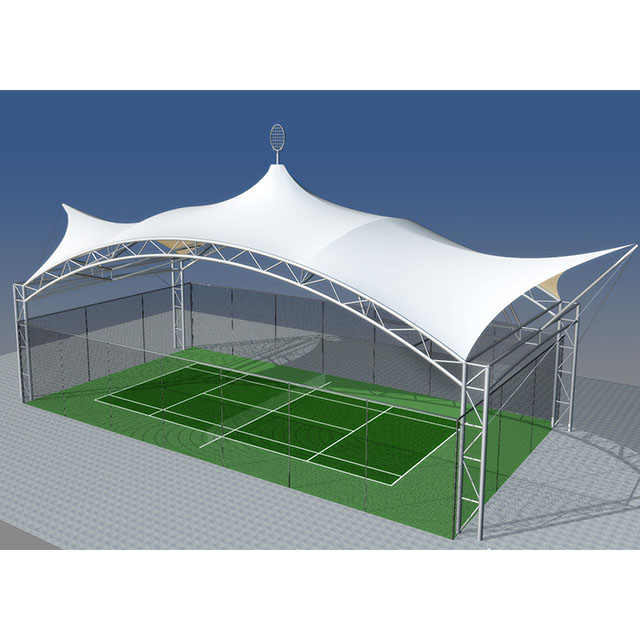
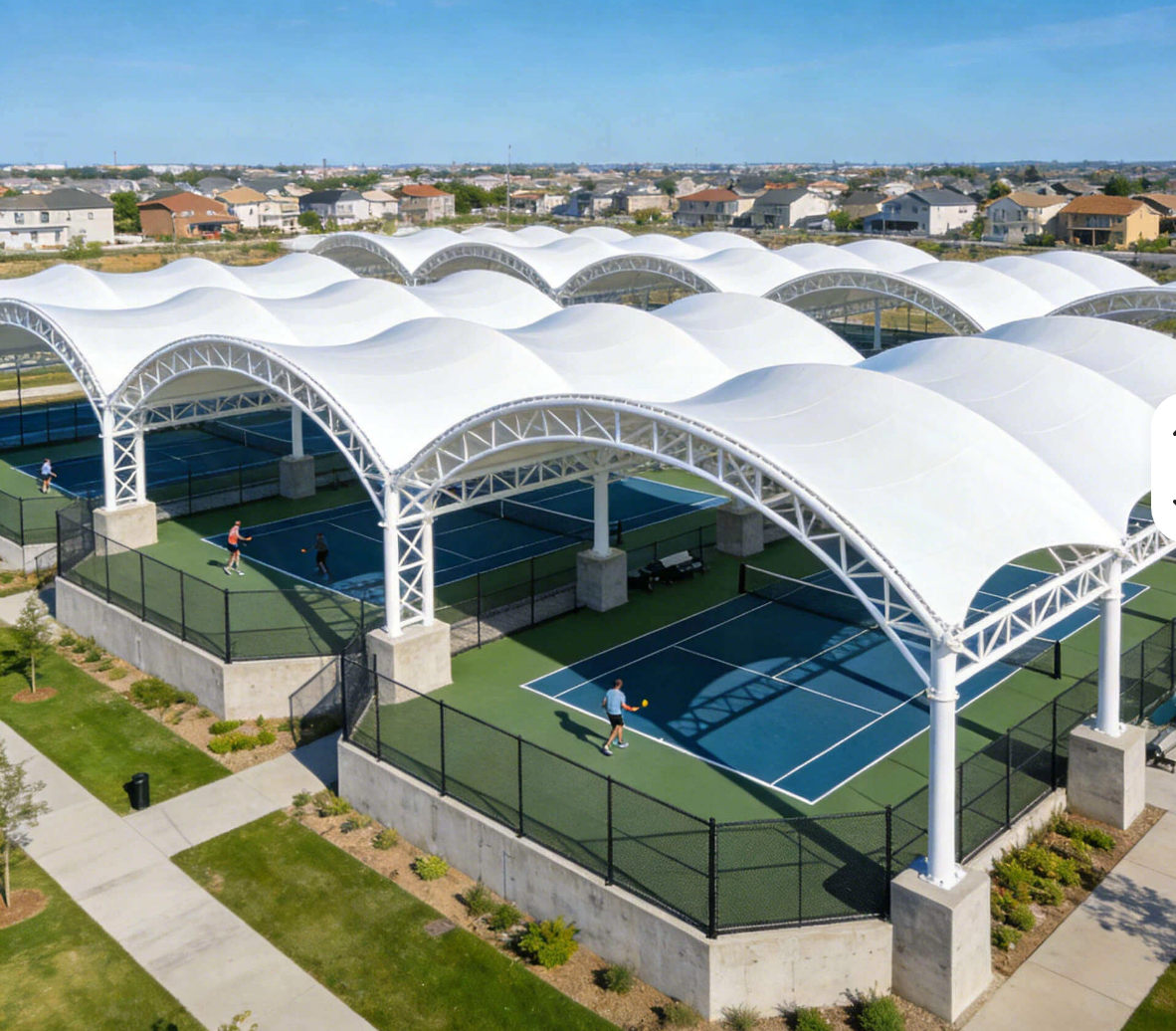
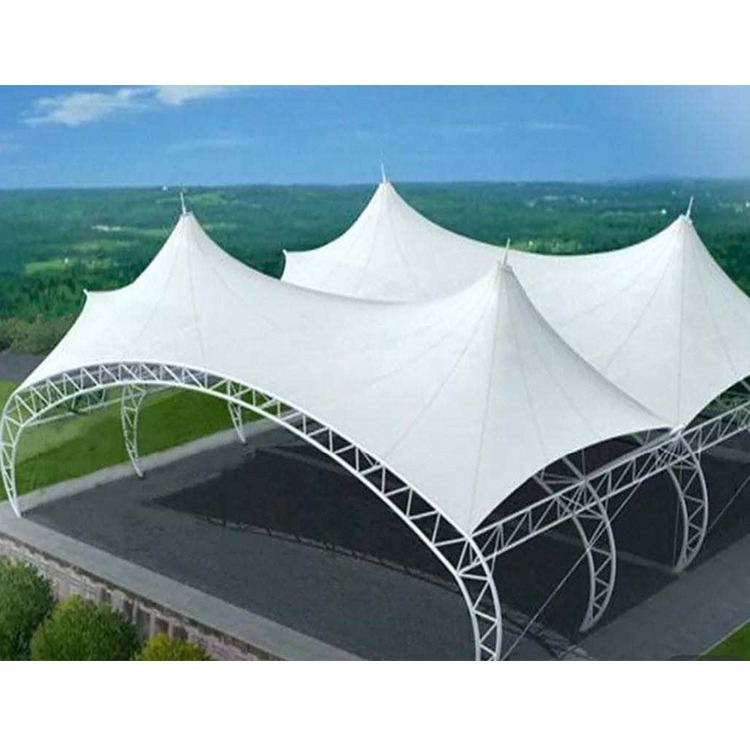
Cebu's climate, our premium court surfaces and our PVDF fabric and steel roof mean lessons and training run every day of the year, whatever the weather. Online classes cover the weeks students are at home, so learning never stops between camps.
A Day at Asmara
Tennis, English, recovery, and accommodation at an eco-conscious luxury sanctuary.
If Asmara is full, you can stay at one of our sister hotels nearby.
Performance Plus (opt-in) — energetic players can add our unique syllabus for an extra 2.5 hours a day (6–7am & 4:30–6pm) for +$80/day. Also offered at our Oxford & University of Sussex camps.
No commutes, no lost hours. A single unhurried rhythm from sunrise mobility to evening conversation.
TennisEnglishRecoveryDiningAmenity
06:00
Performance Plus · dawn intensive (opt-in)
Tennis
High-intensity 6–7am block from our unique Performance Plus syllabus — explosive footwork, live-ball drills and conditioning for the energetic ones. +$80/day, adds 2.5 hours of coaching daily.
Centre court
06:30
Sunrise mobility & dynamic warm-up
Tennis
Court-side stretching, footwork ladders and racket wake-up drills before the heat builds.
Centre court
07:30
Farm-to-table athlete's breakfast
Dining
Tropical fruit, eggs, rice bowls and fresh coconut water at the pavilion — five paces from your room.
Resort pavilion
09:00
Technical block · private coaching
Tennis
Coach-led assessment and stroke development — grips, patterns, serve mechanics.
Private courts
11:00
IELTS / TOEFL English class (optional)
English
Small-group academic English with a certified tutor — reading, writing, speaking modules for study abroad and visa pathways.
Learning studio
12:30
Athlete lunch & shade rest
Dining
Balanced plates built for recovery, followed by a quiet siesta window during the tropical peak.
Resort pavilion
14:30
Physio & sports psychology (optional)
Recovery
Tennis physiotherapy, soft-tissue work and mental-performance sessions — ideal for pros in transit to Asian tournaments.
Wellness centre
16:00
Tactical & match-play block
Tennis
Live-ball patterns, point construction, competitive sets with video review and cool-down.
Show court
16:30
Performance Plus · late-afternoon intensive (opt-in)
Tennis
The 4:30–6pm half of the Performance Plus syllabus — pressure sets, tactical patterns and match simulation. Same +$80/day opt-in, also offered at Oxford and University of Sussex camps.
Show court
18:00
Hydrotherapy & twilight recovery
Recovery
Cold plunge, pool laps, guided stretching and breath work as the sun drops.
Wellness centre
19:00
Pickleball, snorkelling & leisure
Amenity
Optional evening activities — social pickleball on the newly built courts beside Asmara, reef snorkelling nearby, or relax by the club house.
Pickleball courts · club house
20:00
Dinner & English conversation table
English
Family-style dinner with an informal English conversation table for players preparing for IELTS/TOEFL.
Resort pavilion
A sample day — pros in transit tune the tennis and recovery load; academy juniors add IELTS/TOEFL sessions; adult guests dial it up or down.
Choose Your Course Length
Enrol at the Cebu campus for a long weekend, a full week or a term-length residency — any month of the year. Every course pairs English lessons with tennis, football or rugby, and is built around the student’s learning goals, including IELTS and TOEFL preparation recognised worldwide for study abroad, immigration and careers.
Accommodation in one of 20 boutique rooms at Asmara Resort is included in every course, and students can continue online between visits.
Most Recommended
Peak Week
$920
3 days, 4 nights — our most-requested training block, engineered for a supercompensation effect that delivers peak physical conditioning and mental toughness.
The Baseline Weekend
$1,200
3 nights, 12 hours of court time, all meals included.
Most Selected
The Grand Slam Week
$2,800
7 nights, 25 hours of coaching, 2 spa sessions, video analysis.
Book this retreat→25% deposit online ($225). Balance paid at Asmara on arrival.
Satellite Learning Camps · UK · Easter & Summer
Our school travels: satellite camps in the UK.
Confirmed 2027 venues: Oxford University and University of Sussex. Easter and July only — summer players can add structured English tuition alongside tennis. From 2027, football and rugby join tennis at the University of Sussex, and rugby is also available at Oxford University, run on the same CEFR A1–C1 English framework.
Venue booking deadline
Both Oxford University and University of Sussex must be formally booked by January 2027. To secure your place, send your deposit by Wednesday 20 January 2027 — a weekday, so bank and PayPal transfers clear the same day. Places are released after this date.
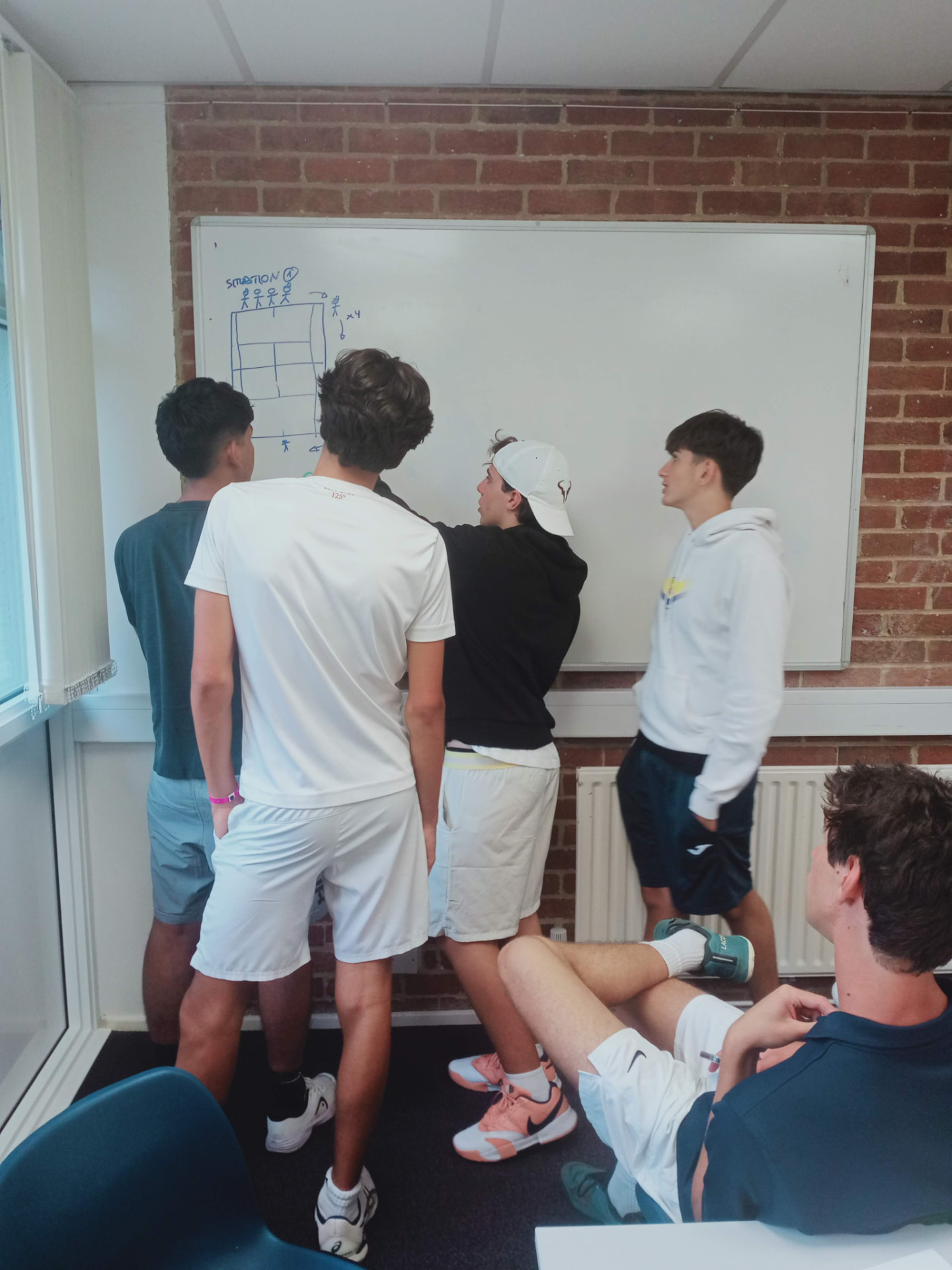
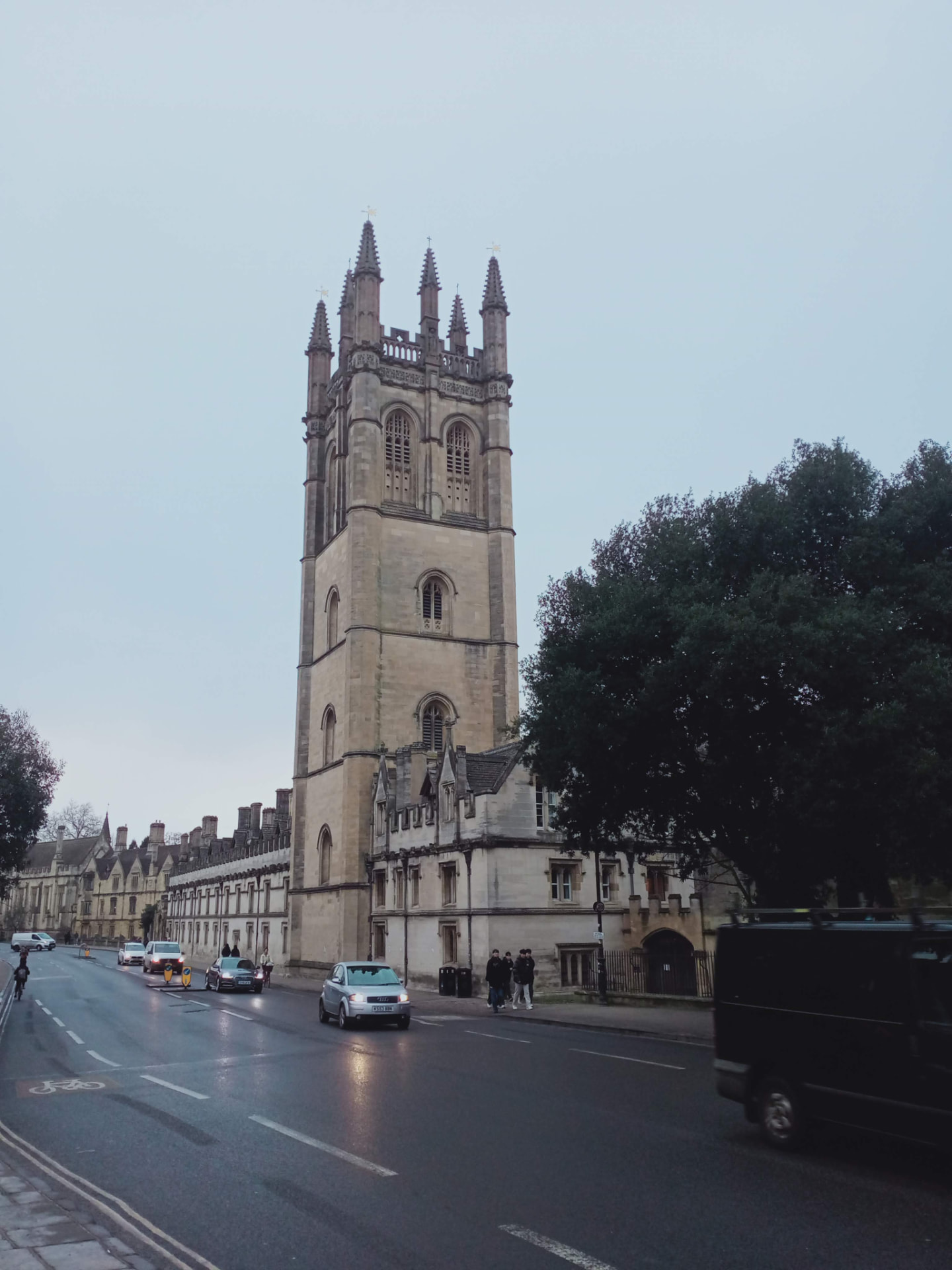
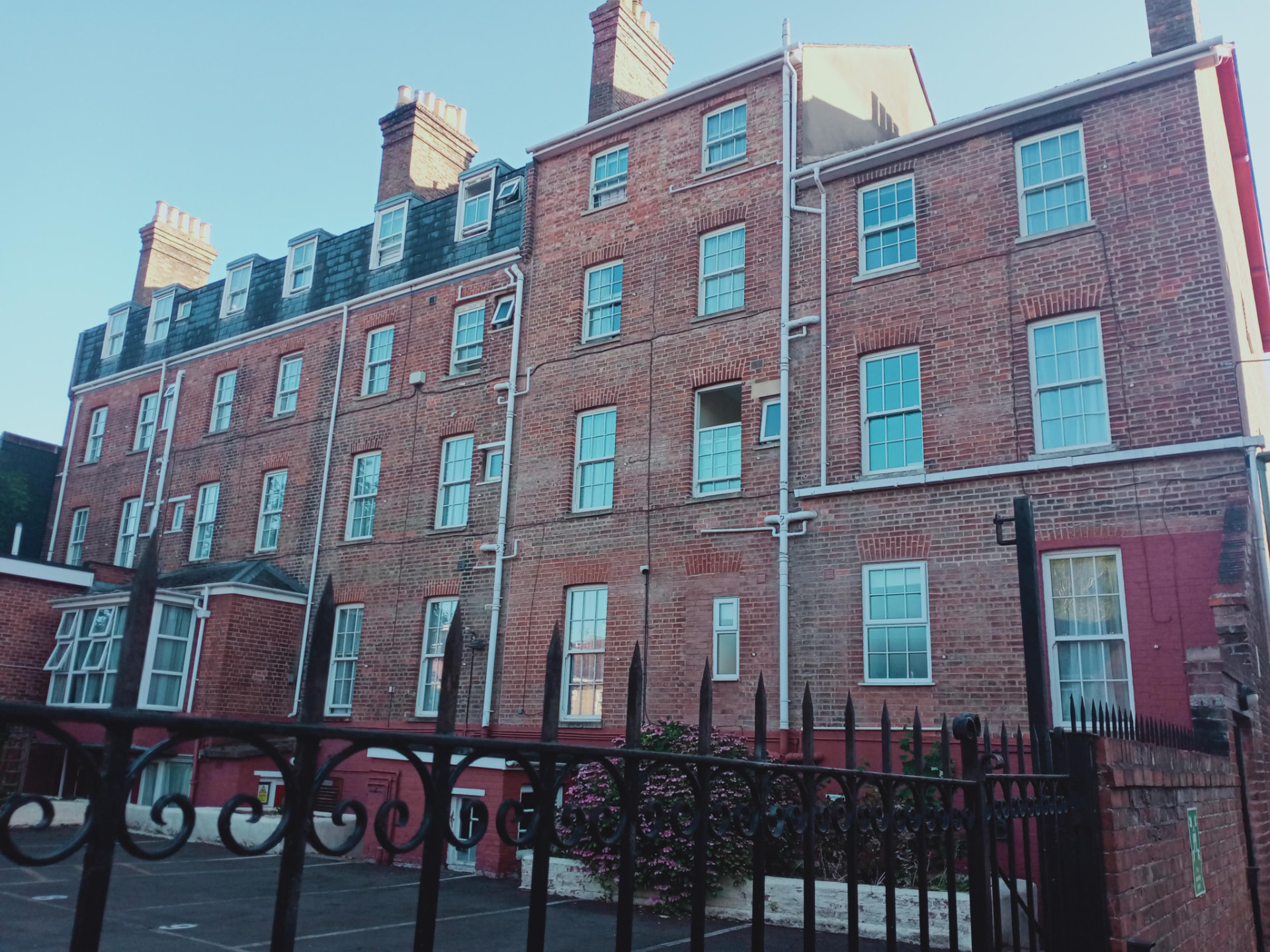
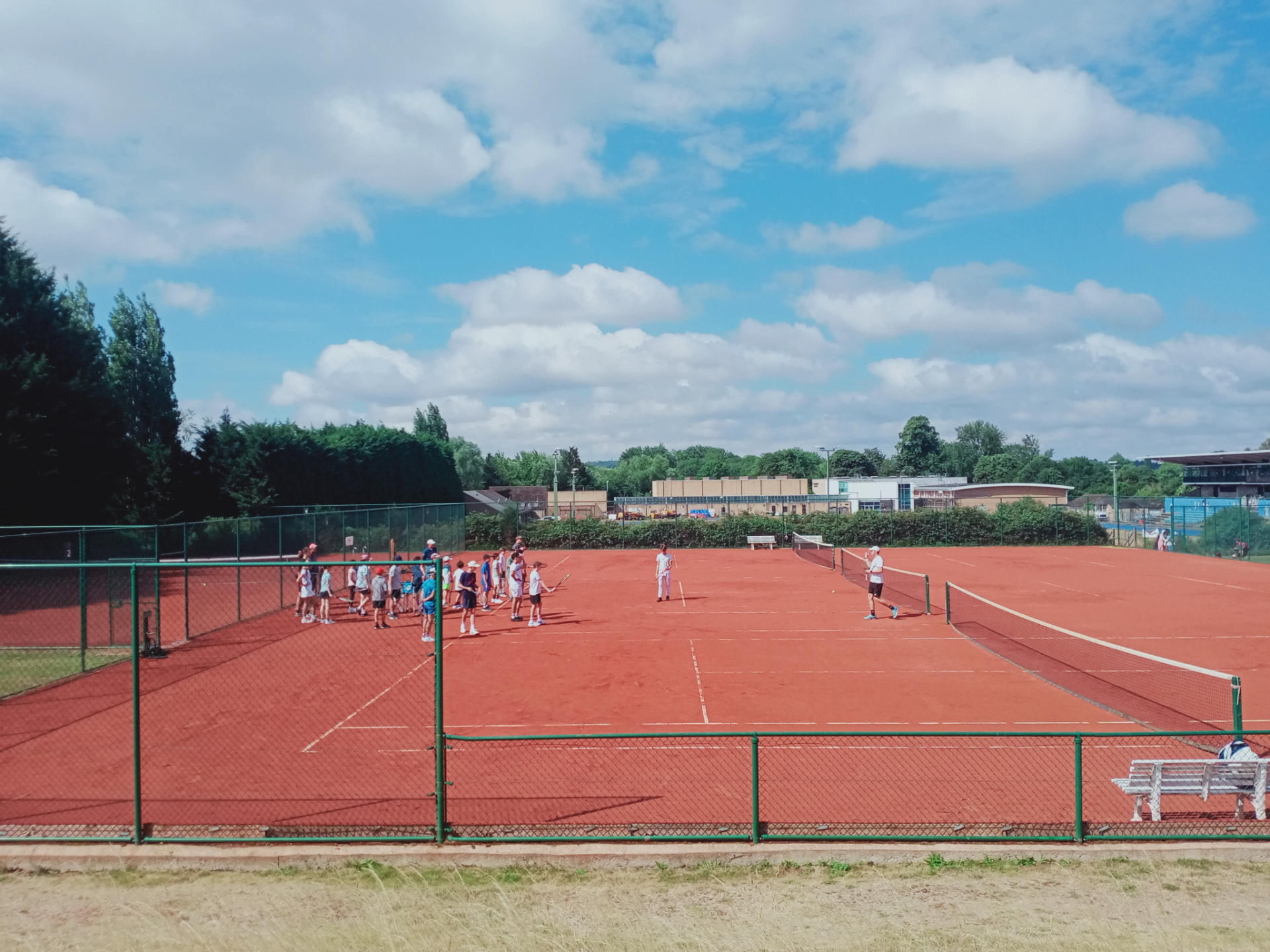
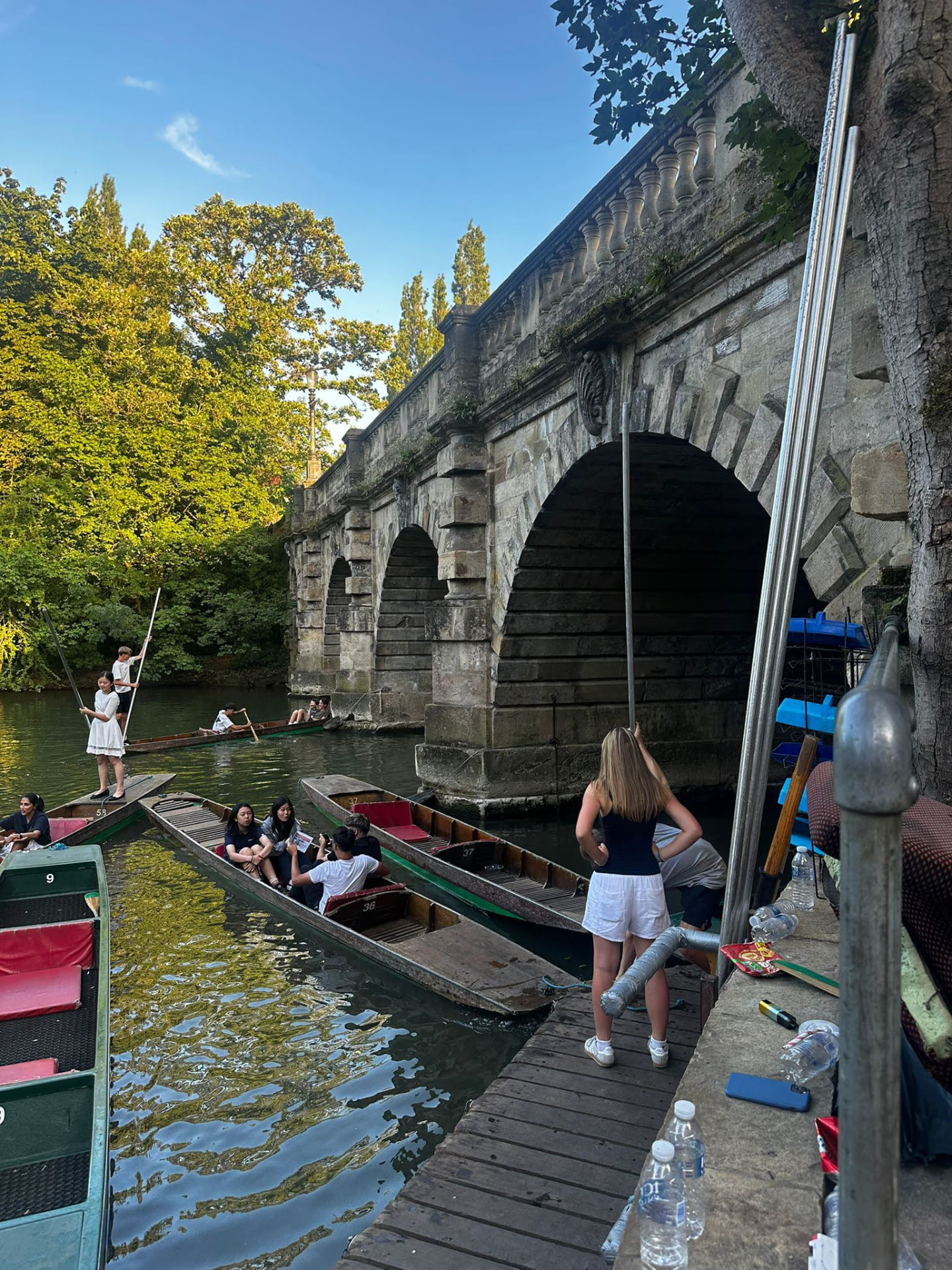
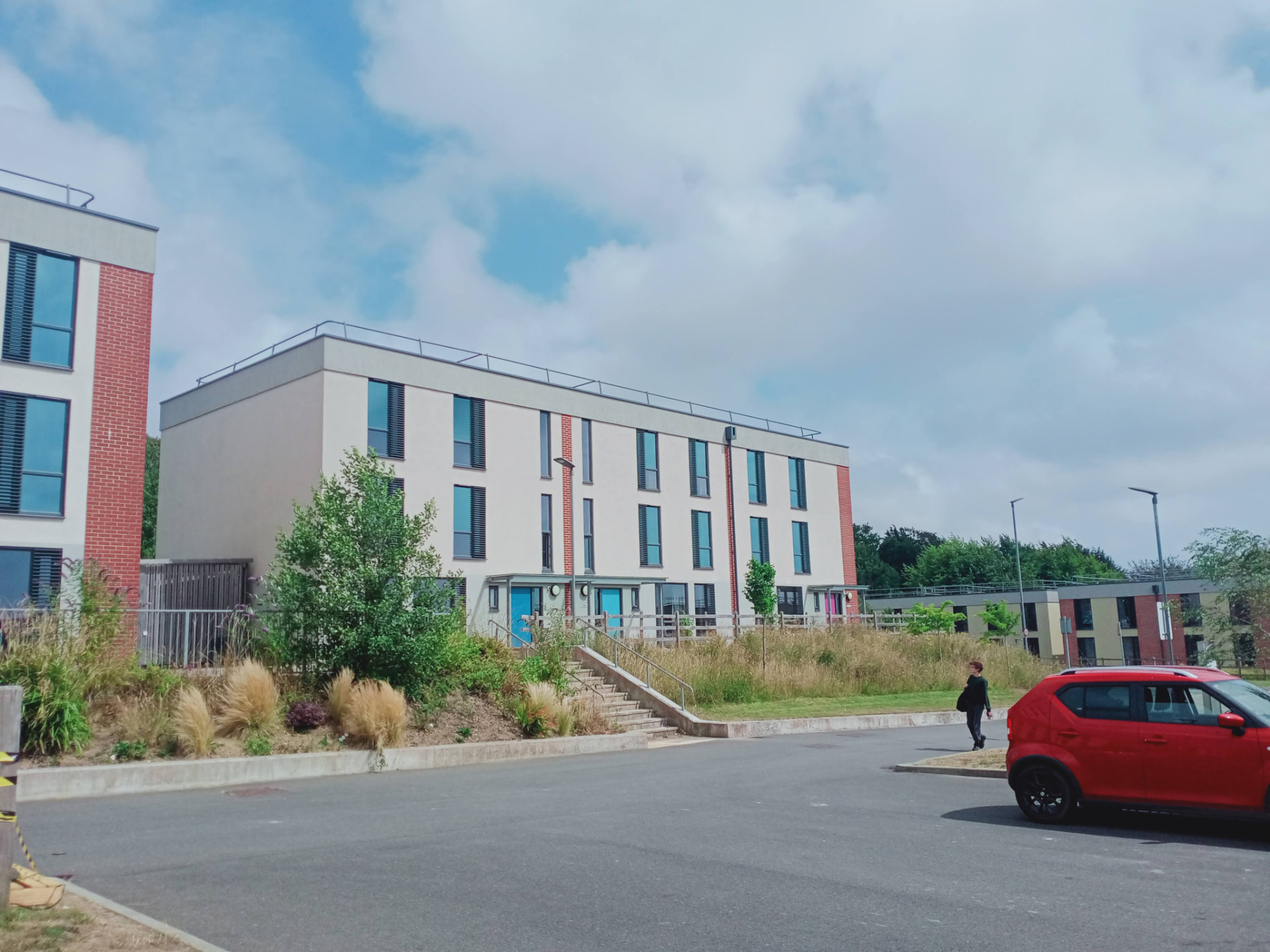
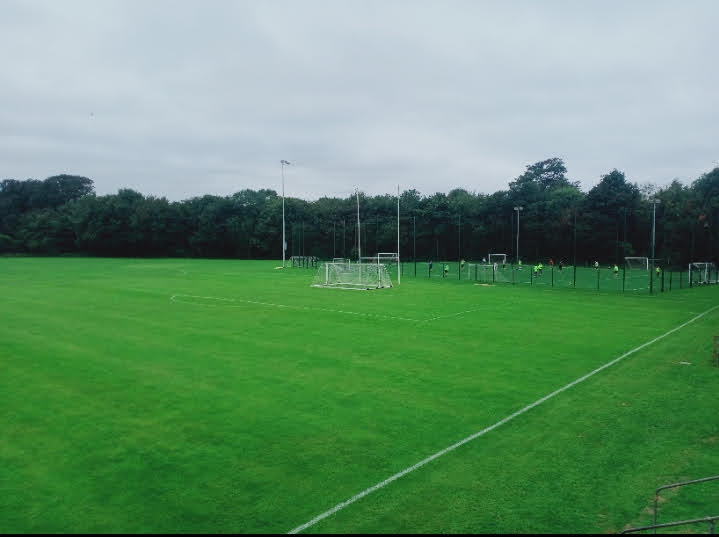
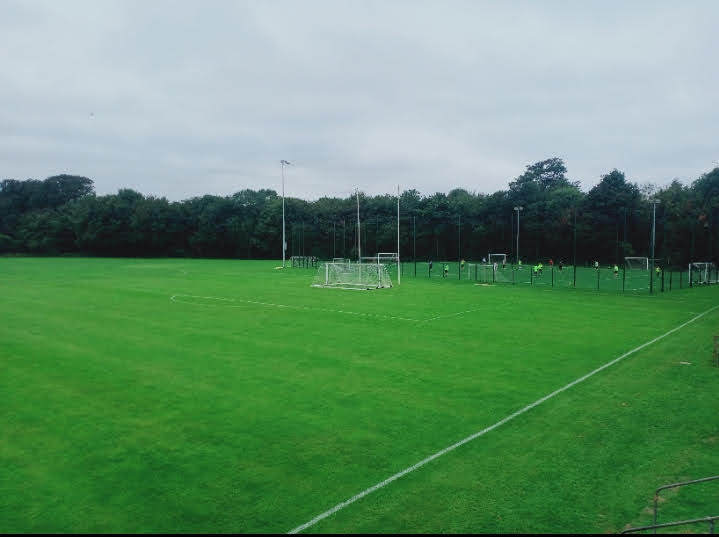
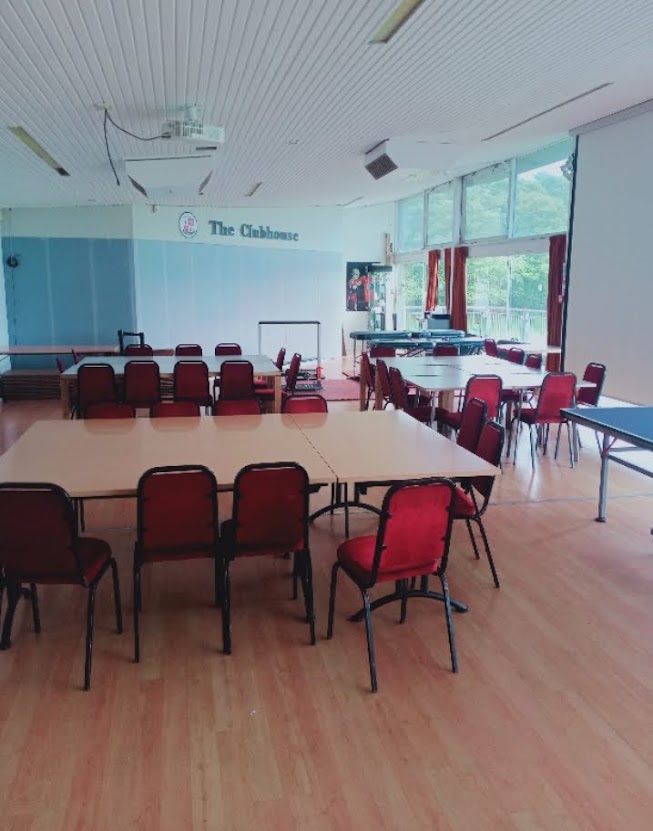
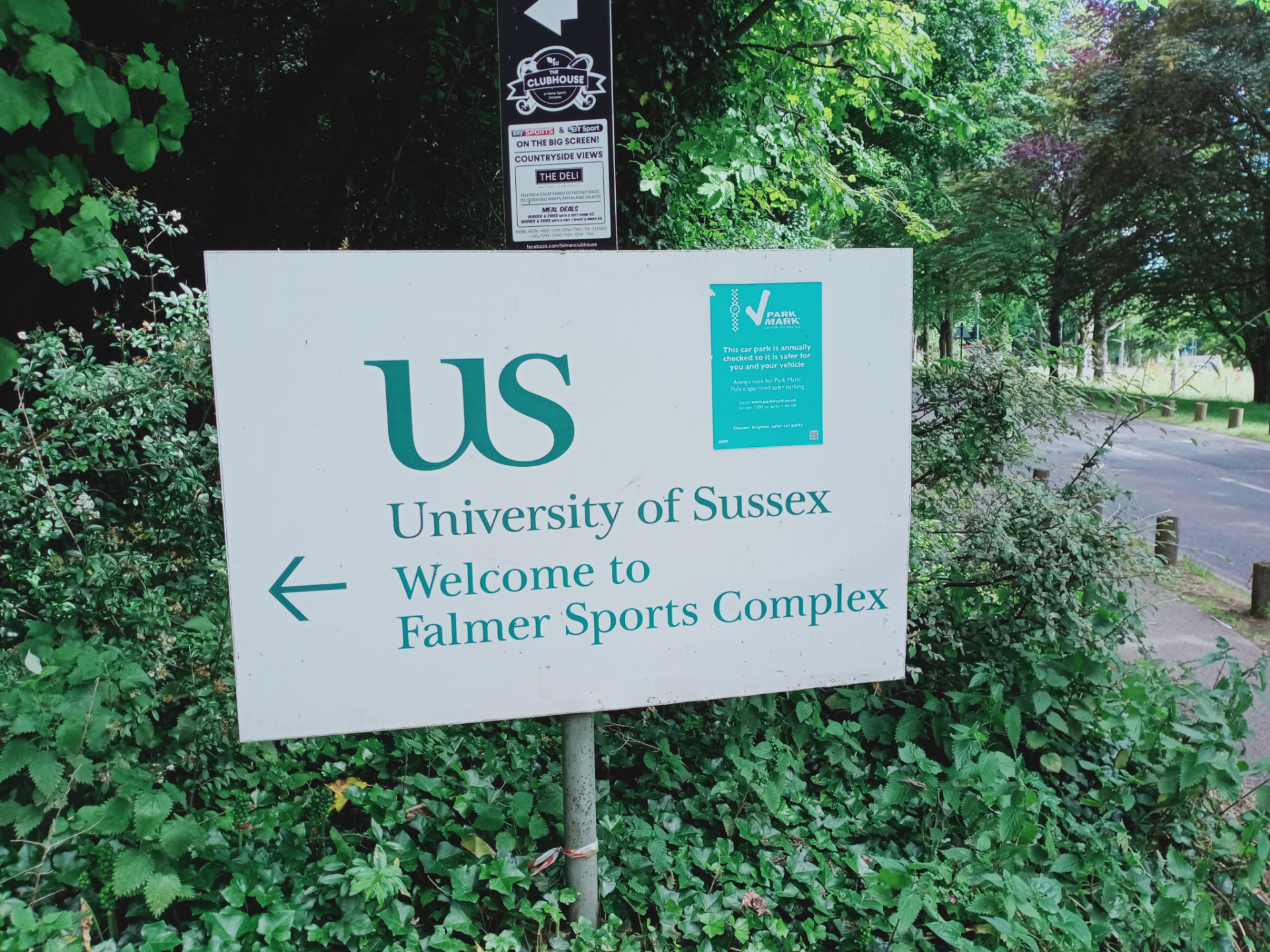
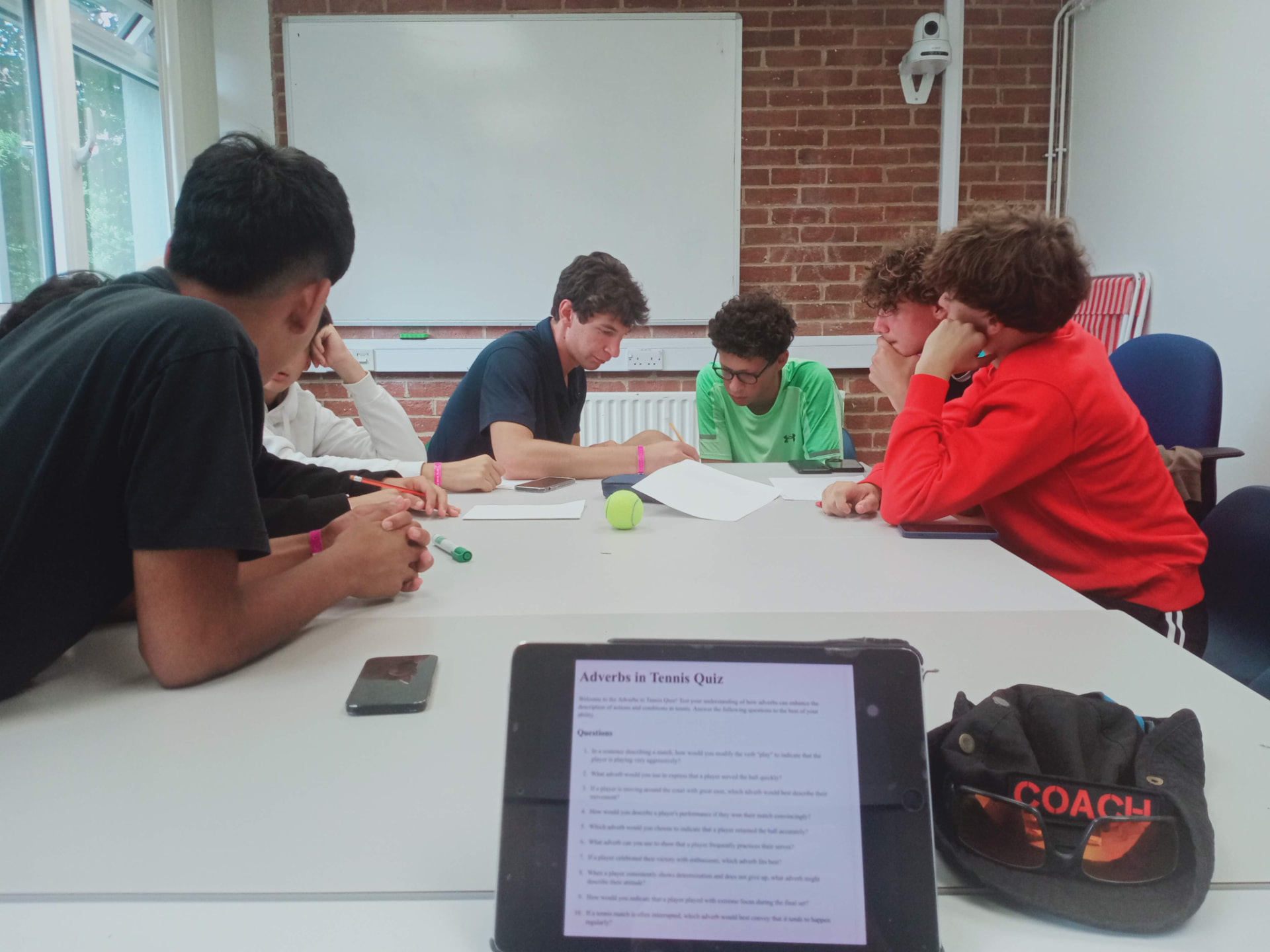
Oxford University — camp days built around the historic college city.Oxford accommodation — student residence within reach of the courts.Oxford clay and grass courts — group training and match play sessions.Oxford punting — the classic afternoon excursion for camp attendees.University of Sussex — on-campus accommodation, meals and drinks included.Sussex residences — modern en-suite student rooms a short walk from the pitches.Sussex pitches — full-size grass football and rugby pitches for camp squads.Sussex training pitches — floodlit grass pitches used for football and rugby sessions.The Clubhouse — on-site teaching room for classroom English between training sessions.Falmer Sports Complex — courts, sports hall and gym on site.Classroom sessions — tennis-specific English tuition alongside training.Tactical whiteboard work — court situations explained in English.The camp group — juniors from across Europe and Asia training together.
Ready-made links and captions for Cebu, Oxford and Sussex.
Rugby · Coming soon
English through rugby — joining the programme next.
Rugby is the next sport in the Topball performance-English model, alongside tennis and football, in Cebu and at our UK summer camps in Oxford and at the University of Sussex. Dates, venues and pricing are being finalised — join the waitlist and you will be contacted first, before anything is announced publicly.
Match language
Calls, lineout codes, referee interaction and post-match review trained in English on the pitch.
Women's game first
Women’s rugby and women’s football are the fastest-growing sports worldwide — dedicated squad places are planned from day one.
Camp integrated
Rugby will run alongside tennis and football blocks, so mixed-sport squads and siblings can travel together.
Coaching squad · not yet formalised
Wimpie van der Walt — agreed to lead rugby
Wimpie van der Walt, the South African rugby union forward who went on to play international rugby for Japan, has agreed in principle to become head coach of Topball rugby. The appointment is not formalised yet, and no dates are confirmed.
By design, the rugby coaching squad will be South African — the coaching culture James Corden-Lloyd knows first hand from his years in South Africa as an assistant racehorse trainer, and from a family with South African roots on his father’s side.
Japan opportunity: Wimpie’s Japan connection is why Topball sees English-through-rugby — and English-through-sport more widely — as a major opportunity horizon in Japan, where rugby, tennis and football all need pitch-side English for international squads, academies and university clubs.
Growth sports focus: women’s rugby and women’s football are the two fastest-growing team sports for junior and university players, and both are priority lanes for Topball squads, coach education and English-through-sport curriculum.
Study with the school online, between campus and camps.
Send your match-play or practice video, receive James’s analysis, apply the personalised drill plan, then send the next video. Each review builds on the last, so your coaching keeps improving with you. Live video sessions are available when you need them.
Students, parents, coaches and clubs — tennis, football, rugby or English. Two minutes is plenty. You choose the name shown publicly, and nothing is published until it is approved.
“Just as a tennis player practices their serve to perfect their game, we must practice our language skills daily to ace the challenges of communication.”
Tennis is not just a game; it’s a dynamic dialogue between players that extends to the lessons learned both on and off the court. Each stroke, from the groundstroke to the volley, depends on precision, timing and strategic thinking. Mastering grammar asks for the same attention to detail and the same ability to adapt to context.
Just as players refine their technique through repetition and feedback, learners of English sharpen theirs through consistent exercise and real engagement. You learn the basics — adverbs, adjectives, conditionals, passives — entirely inside a tennis setting. So let play begin.
Let’s play ball — starting with nouns
Nouns name people, places, things and ideas. Just as every strong player has a foundation in their strokes, every English speaker needs a good grip on nouns — so we treat them with the same focus we give a backhand or a serve.
Concrete nounsCan I touch it? Is it real? Racket, ball, net, court.
The grammar syllabus is classroom-based and camp-ready. If you run a language school and want your students on a Topball tennis and English camp — Cebu, Oxford or Sussex — get in touch and we’ll build the programme around your levels and exam targets.
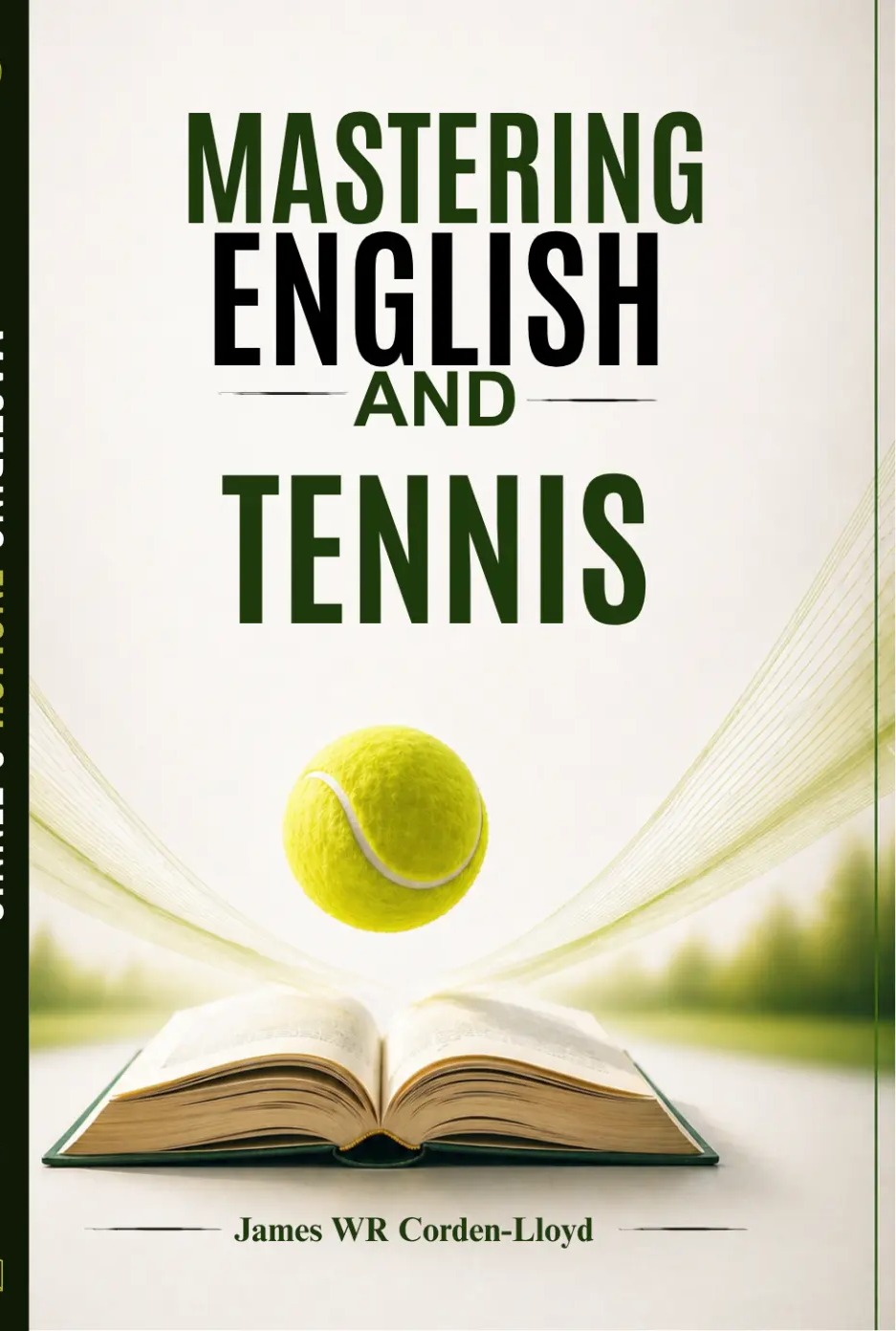
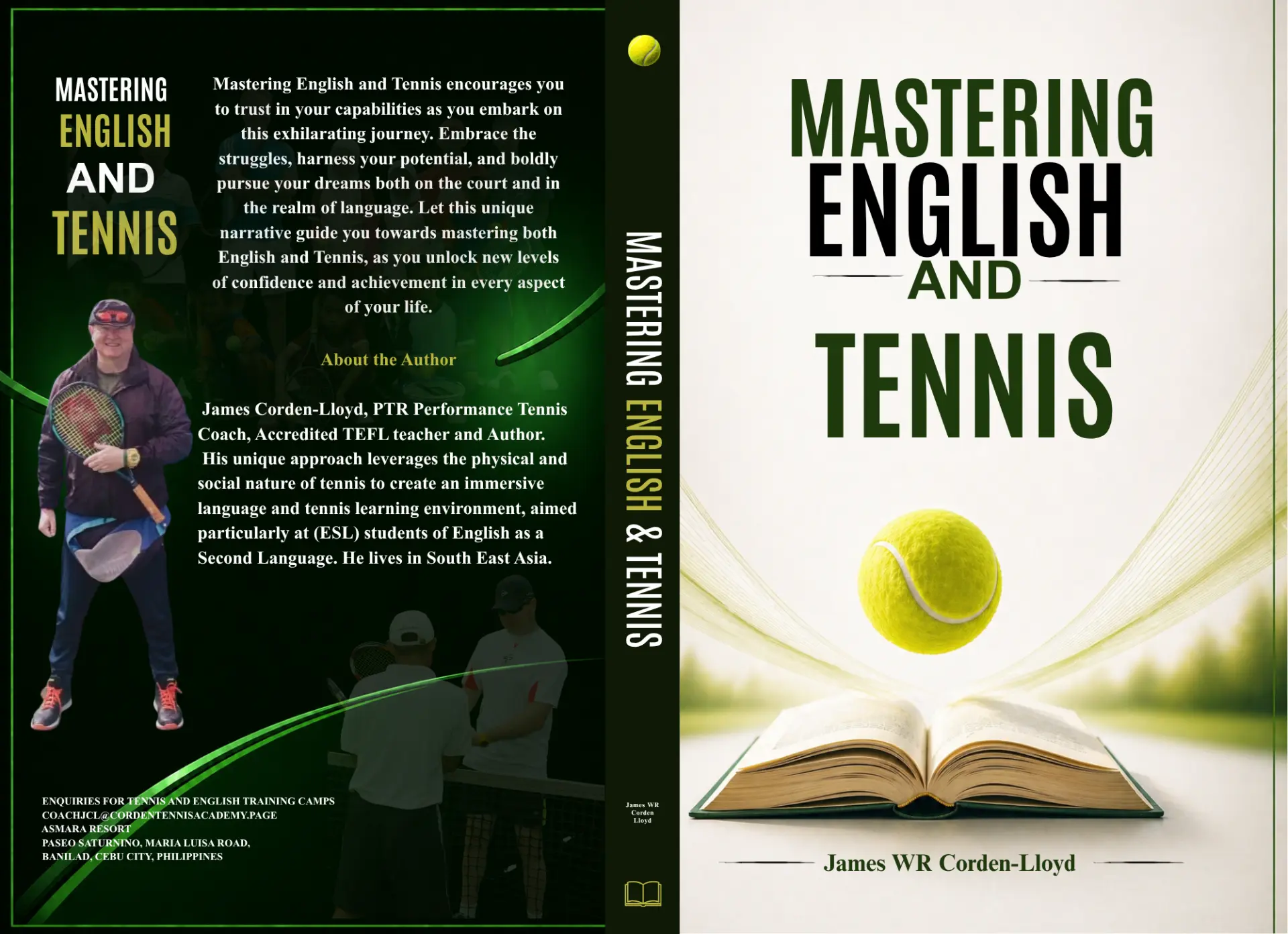
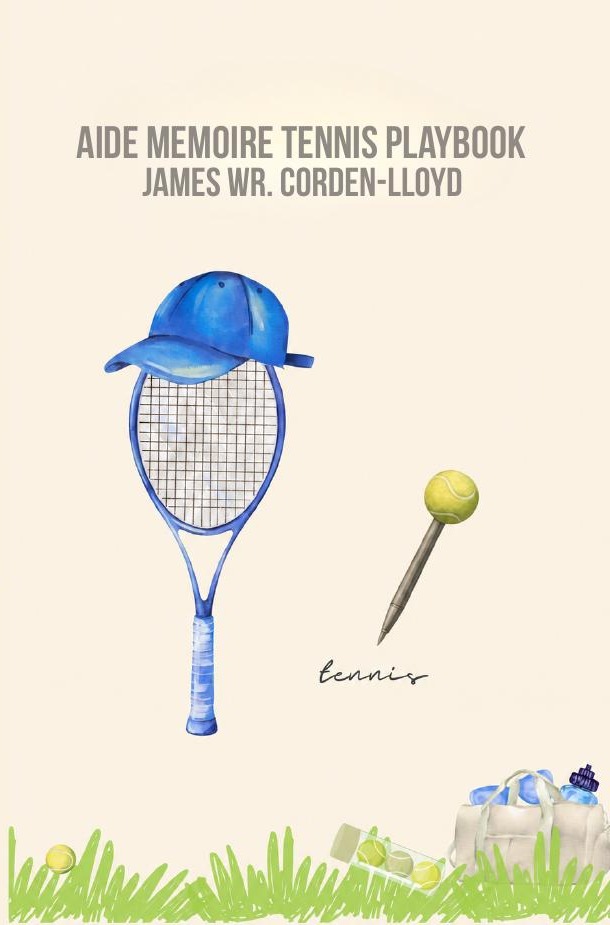
James WR Corden-Lloyd is the published author of the educational books that power Topball's curriculum — Mastering English and Tennis and the Aide Mémoire Tennis Playbooks. He also writes international thrillers: Shadows of the Past is out now, and the sequel The Pathogen Protocol publishes in November.
Core textbook
Mastering English and Tennis
The first textbook in the Topball English-through-tennis series. It pairs grammar with court language, so every chapter feels like a coaching session and every coaching session reinforces the chapter.
Two editions — blue for boys and pink for girls — designed to be written in, reflected in and carried to the next session. Students build English while they build their game.
Grammar through sport
Mastering English and Tennis turns every grammar point into a tennis situation — nouns, adjectives, conditionals and passives taught first in the classroom, then delivered on court.
Writing & reflection
The Aide Mémoire Playbooks are part journal, part workbook. Students record sessions, reflect in English and build language the same way they build a forehand: repetition, feedback, routine.
Taught by the author
James Corden-Lloyd wrote these books to support the exact syllabus he delivers at Topball. Students read the same pages their coach wrote, then apply them on the same court.
Also by James WR Corden-LloydInternational thrillers
Owner and MD of Topball — and a very experienced tennis coach and tennis entrepreneur.
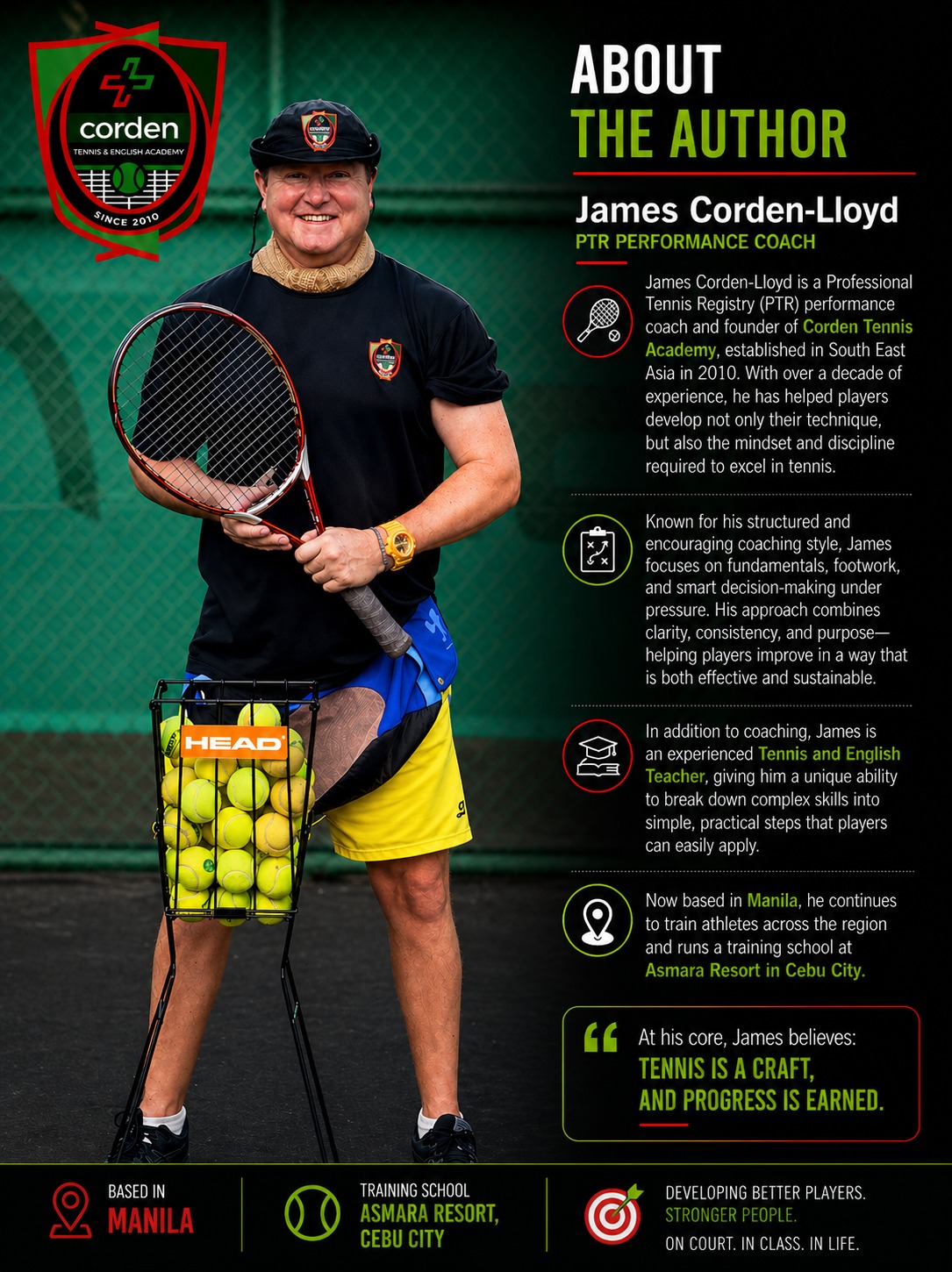
James Corden-Lloyd is the Managing Director and owner of Topball, but first he is a very experienced PTR (Professional Tennis Registry) certified performance coach and tennis entrepreneur. In his twenties, he was a pupil and assistant racehorse trainer in South Africa and the UK. That early career taught him the discipline, physicality and emotional intelligence demanded by equine sport — qualities that now give him a distinctive edge as a performance tennis coach. He later managed a K9 security company in Jakarta, Indonesia for three years, taken on at the request of a tennis coaching client who was a financier and saw the operational knowledge James had built up; he continued coaching the client’s tennis while running the business. That period gave him direct operational insight into security work, K9 handling and the English needs of uniformed teams across South East Asia. He began coaching tennis in 2010 and brings those same principles of preparation, pressure management and athlete awareness to every session. He is also an accredited TEFL teacher, an NGO leader and the founder of Street Paws Network. His books, written as James WR Corden-Lloyd, distil the tennis and English-learning knowledge he applies on court and in the classroom every day; his international racing insight also gives The Pathogen Protocol its authentic horseracing centre. Over twenty years he has built a multi-operational portfolio: high-performance tennis retreats, English-through-sport education, premium PVDF sport roof manufacturing, and a privately funded animal welfare network. Every strand of the business reinforces the others; sport roof contracts in particular accelerate the growth of Street Paws Network.
It is special to host tennis camps at Oxford University and the University of Sussex (July only) — two of the UK's most respected university settings, where players train on court and study tennis English in the classroom. We also run a new October residency in Gibraltar. Cebu at Asmara is our only year-round destination — the sole Topball venue open 365 days a year for residential training.
James Corden-Lloyd on court — Managing Director and owner of Topball, an experienced PTR performance coach, tennis entrepreneur and founder of Street Paws Network.
Topball Manufacturing · Guangzhou
Tensile PVDF roofs for tropical sport facilities.
We do not trade generic materials. Topball engineers a focused product set — premium PVDF tensile membrane and white-painted steel structures — that solves the pain points common to Southeast Asian sports facilities: heat, humidity, heavy rain, corrosion and fast project timelines. From a 6,000 m² Guangzhou workshop we supply contractors, specifiers and direct buyers with reliable fabrication, technical support and on-time delivery.
6,000 m²
Workshop floor
PVDF
Premium membrane
SEA-focused
Heat, rain & corrosion
Designed for Sport · Manufactured for Confidence
Three segments. One reliable supply partner.
Sports roofing in Southeast Asia is won through relationships and specification. We prioritise design-build contractors and steel fabricators for early revenue, architects and consultants for long-term moat, and schools, clubs and developers for direct turnkey supply. Whether you need a single court canopy or a multi-bay complex, we support your project with manufacturing strength and tropical climate expertise.
Project Enquiries
Planning a new court or upgrading a venue?
Tell us your segment, site location and timeline — we’ll reply with a PVDF membrane and steel structure package tailored to your project.
Share your project brief — location, existing structure, courts and timeline — and our team will respond with specifications, budget guidance and next steps.
Enrol at the Cebu campus
Choose your dates at our main campus in Cebu City. Lessons and training run every day, all year — English plus tennis, football or rugby, with accommodation included. Continue online when you go home, or join a satellite camp next summer.
1
Step 1 · Pay 25% Deposit Online
Secure your dates with a flat $225 USD deposit. PayPal is our preferred method — pay instantly below and we'll confirm your dates by email.
Wise Payments Limited, 1st Floor, Worship Square, 65 Clifton Street, London EC2A 4JE, United Kingdom.
USD · United States
Routing no.
026073150
Account no.
8312347733
SWIFT/BIC
CMFGUS33
Routing number for domestic US transfers only; SWIFT/BIC for international wires. Bank partner: Community Federal Savings Bank, 89-16 Jamaica Ave, Woodhaven, NY 11421, United States.
2
Step 2 · Pay Balance on Arrival
The remaining balance is paid directly at Asmara Resort on arrival — no online payment required.
After you pay · Send us your proof
Upload deposit proof
Once your 25% deposit is sent via Wise, PayPal or bank transfer, upload the screenshot/PDF or share your transfer reference so we can confirm your dates.
Package
Dates
Group
Level
Requests
Review
Which retreat interests you?
Accommodation in one of 20 boutique rooms at Asmara Resort is included in every package.
English School · Cebu campus · Teaching 365 days a year
English lessons every day at our Cebu campus.
Cebu is one of Asia’s most respected hubs for English learning, and our campus teaches all year with no term breaks. Students prepare for IELTS or TOEFL, sharpen general or business English, or build conversation confidence — on its own, or paired with tennis, football or rugby. The same curriculum runs online and at our satellite camps.
James Corden-Lloyd welcomes direct contact from professionals interested in Topball's core business: tennis coaching, English teaching, and premium sport roof structures.
Tennis coaches
Coaches looking for retreat, camp or residency work in the Philippines, UK, Gibraltar or Asia.
English teachers
TEFL-qualified teachers interested in IELTS, TOEFL, general or business English placements.
Sport roof covers
Clubs, academies and contractors enquiring about premium PVDF fabric and steel roof structures.
Publishing & media
Authors, publishers, journalists and podcasters interested in books, commentary or collaboration.
Guest speaking
Schools, clubs and conferences looking for a speaker on social enterprise, sport leadership or education.
General business enquiry
Any other partnership, sponsorship or commercial opportunity that supports Topball directly.
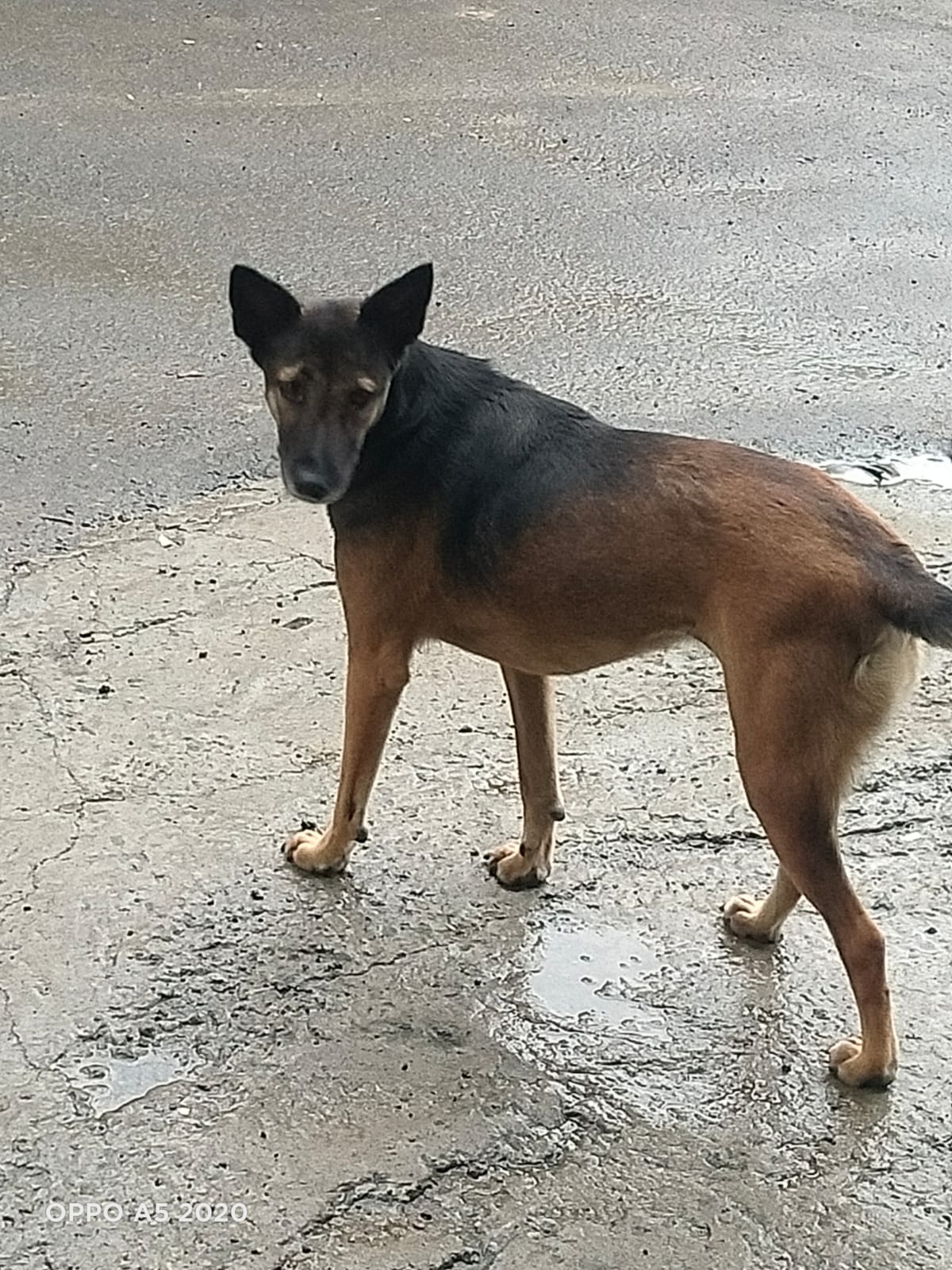
Street Paws Network is a mission-driven, privately funded organisation founded in 2022 by James Corden-Lloyd, founder of Topball and a published Amazon author. It is led with operational experience gained across conflict zones, South Asia and South East Asia. There are no middlemen, no overheads and no appeals — every peso is placed directly into the hands of vetted guards on named streets.
1
Recruit with empathy
We recruit security guards who show a natural kindness to animals and a high degree of emotional intelligence — the people already watching the streets.
2
Support families first
We prioritise guards with young families and responsible mothers — people working hard to feed their children. Funds arrive directly from Topball profits.
3
Fresh food for everyone
They buy good, fresh food — chicken, pork, beef rice and vegetables — for their family, then share nourishment with the street dogs on their route.
Street Paws Network is privately funded through Topball's commercial work. Sport roof manufacturing contracts have the greatest and fastest impact on its growth, followed by tennis retreats, English teaching and book sales. Every roof project directly expands the network — improving life for a guard's family and the street dogs on their route.
Police English courseware
CEFR B2/C1 English for police and law enforcement, built from real duties — not a textbook. Available to stations, academies and individual officers across Asia.
Every guard is recruited, vetted and funded directly. Each street added to this register is verified proof that the system is working.
4
Guards
3
Streets
2
Cities
Active
Jerald S. Mancao
St. Lawrence Street, Lahug Cebu City, Philippines
Active
Ruel Abico
St. Lawrence Street, Lahug Cebu City, Philippines
Active
Nik Gaurino
Gomez Street, Poblacion Makati City, Manila, Philippines
Active
Ernest
Gomez Street, Poblacion Makati City, Manila, Philippines
Expansion is deliberate and street by street — across South East Asia, South Asia and post-conflict regions where guards meeting our criteria can be recruited and supported. Every new street is published here.
Active locations
Where the network is working
A street-level view of the streets currently active in the network. Pins are placed at approximate neighbourhood points to respect guard and family privacy — exact house numbers are never published.
Jerald S. MancaoSt. Lawrence Street, Lahug, Cebu City, Philippines
Ruel AbicoSt. Lawrence Street, Lahug, Cebu City, Philippines
Nik GaurinoGomez Street, Poblacion, Makati City, Manila, Philippines
ErnestGomez Street, Poblacion, Makati City, Manila, Philippines